Leadership in the Post-Loyalty Corporate Era
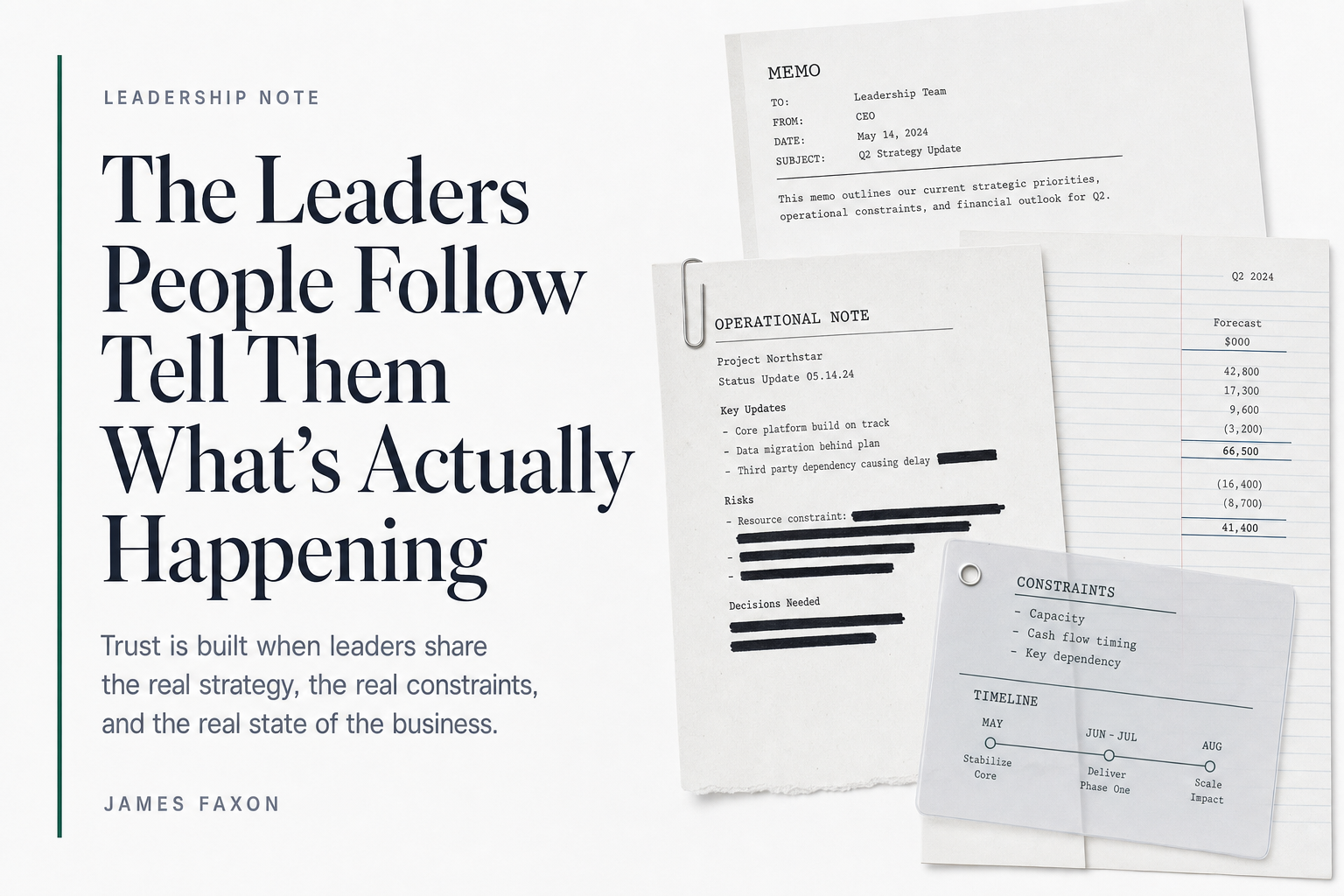
The Leaders People Follow Tell Them What's Actually Happening
Key Insight: Most leaders respond to eroding corporate loyalty by withholding information, but the opposite approach builds more durable trust and operational effectiveness. When job security disappears, people need leaders who share the real strategy, the real constraints, and the real state of the business, not the sanitized version HR approved. I led teams through restructures, budget cuts, and strategic pivots for two decades, and the single thing people said they valued most wasn't a specific decision or outcome. It was that I told them what was actually happening.
The Default Response to Declining Loyalty Is Institutional Self-Protection
When I started leading enterprise programs in the early 2000s, the implicit contract between employer and employee was already breaking. Pension plans had turned into portable 401(k)s. Tenure carried less weight than it used to. Entire divisions disappeared in restructures announced on Friday afternoons.
The leadership response I watched most often was retreat. Share less in all-hands meetings. Keep strategy vague. Filter bad news through HR scripts. Treat transparency as a liability instead of a tool. The justification was always some version of "we don't want to create unnecessary concern." The real reason was simpler: protecting the institution and the leader's position within it became more important than the people depending on clarity to make their own decisions.
That reflex gets worse the less stable the environment becomes. Leaders who see loyalty as a two-way street that no longer exists don't respond by building a different kind of trust. They respond by hoarding information, because information is the only currency they still control.
What People Actually Need When Stability Disappears
I ran IT and cybersecurity programs across mergers, divestitures, and multi-year transformations where entire operating models changed underneath people while they were still expected to deliver. The teams that stayed effective through those shifts weren't the ones who believed the company would take care of them. They were the ones who trusted me to tell them what was real.
People don't need false reassurance when the ground is shifting. They need enough information to make their own risk assessments, plan their own next moves, and decide whether to stay or start looking. The leaders who refuse to give them that information aren't protecting morale. They're forcing people to operate blind while pretending they're being taken care of.
Here's what actually reduces anxiety and keeps teams functional during uncertainty:
- Explaining the real constraints driving decisions, not just the decision itself.
- Naming the risks leadership is actually worried about, instead of pretending everything is under control.
- Sharing timelines for when more information will be available, even if the answer today is incomplete.
- Admitting when the plan might change, so people aren't caught off guard when it does.
- Giving people enough context to separate what they can influence from what they can't.
None of that requires disclosing confidential information or violating fiduciary responsibilities. It requires deciding that your people deserve to operate with the same information you're using to make decisions, even when that information is uncomfortable.
The Feedback I Heard Most Often Across 20 Years
I led programs where budgets shifted mid-year, where strategic priorities reversed after leadership changes, where entire roadmaps got scrapped because an acquisition changed the company's direction. I also led a roughly $50 million operational technology security transformation across global industrial sites where earning trust from skeptical regional engineering leadership determined whether the program succeeded or stalled.
The thing people consistently told me they valued most wasn't that I had all the answers. It was that I didn't pretend to. When I didn't know what would happen next, I said so. When a decision came from above that I disagreed with, I explained the reasoning I'd been given and where I thought the risks were. When budget cuts were coming, I told the team what I knew as soon as I knew it, not the day the announcement went public.
That approach didn't prevent layoffs or stop restructures from happening. What it did was preserve the working relationship with the people who stayed. They knew I wasn't managing them with a script. They knew the information I shared was real. And when I needed them to execute under pressure, they didn't waste energy wondering what I wasn't telling them.
Why Transparency Becomes Operationally Necessary
There's a practical reason for leading this way that has nothing to do with sentiment. When people don't trust the information they're getting from leadership, they start managing around it. They hedge. They protect themselves. They stop surfacing problems early because they don't believe leadership will address them honestly. The organization gets slower and more defensive, not because people are disengaged, but because they're operating with incomplete or unreliable information.
I watched this happen in organizations where leadership treated transparency as a risk to manage instead of a tool to deploy. Projects that should have surfaced resource constraints early didn't, because teams assumed leadership wouldn't listen or wouldn't act. Strategic pivots that should have been communicated months in advance got rolled out with two weeks' notice, then leadership wondered why adoption was slow. The cost of withholding information doesn't show up as a line item in a budget. It shows up as drag on execution that compounds over time.
The inverse is also true. Teams that trust their leader to tell them what's real execute faster, surface problems earlier, and make better decisions under pressure because they're working from the same information set leadership is using. That's not soft leadership. That's operational advantage.
What This Requires From Leaders Who Choose It
Leading with transparency in a low-loyalty environment doesn't mean oversharing or venting frustration publicly. It means deciding you're going to give people the information they need to operate effectively, even when it's inconvenient for you or uncomfortable for the institution.
It means accepting that some people will leave once they have clarity about where things stand. That's the point. People who stay after hearing the real situation are the ones making an informed choice to be there. People who leave were going to leave anyway. You're just giving them enough respect to make the decision on their own timeline instead of yours.
It also means recognizing that this approach carries risk. You'll be the leader who said the quiet part out loud. You'll be the one who didn't stay on message when the message was designed to protect the company's position, not help your people make decisions. Some organizations will reward that. Others won't. But the teams you lead will follow you because they trust you, not because they're contractually obligated to.
Key Takeaway: The less job security people have, the more they need leaders willing to tell them the truth about where things actually stand, because trust built on transparency is the only kind that survives when institutional loyalty disappears.
Have you worked for a leader who told you what was really happening, or one who managed you with scripts?
More from James Faxon

The Real Strategic Layer Underneath Executive Content Nobody Wants to Talk About
· James Faxon · 3 min read · A few days ago I wrote something critical of ghostwriting, and it kicked off a good debate in the comments. One exchange in particular...
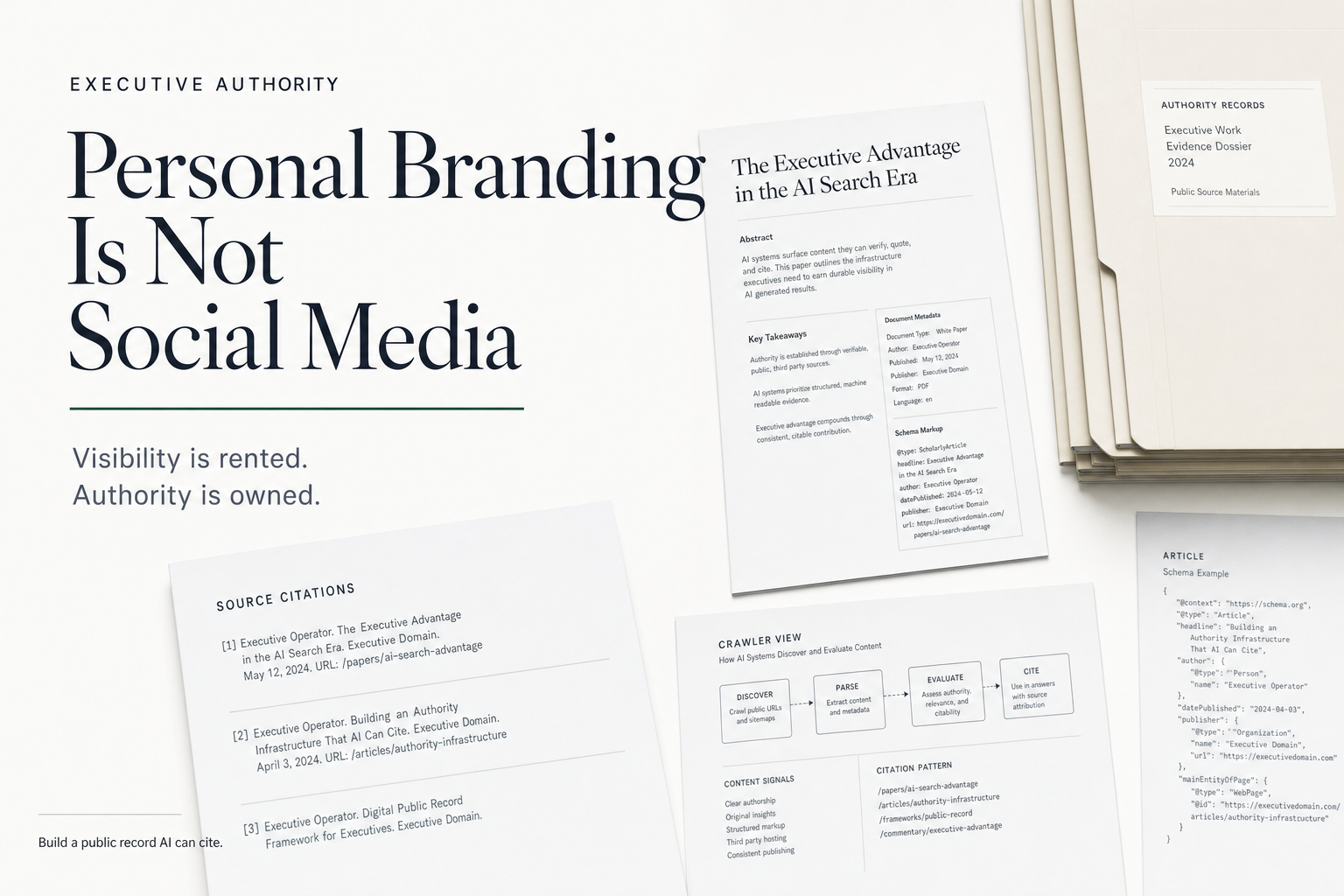
Executive Personal Branding Is Not Social Media
· James Faxon · 5 min read · I spent over 20 years running enterprise security and IT programs where credibility was the only currency that mattered. You earned trust...
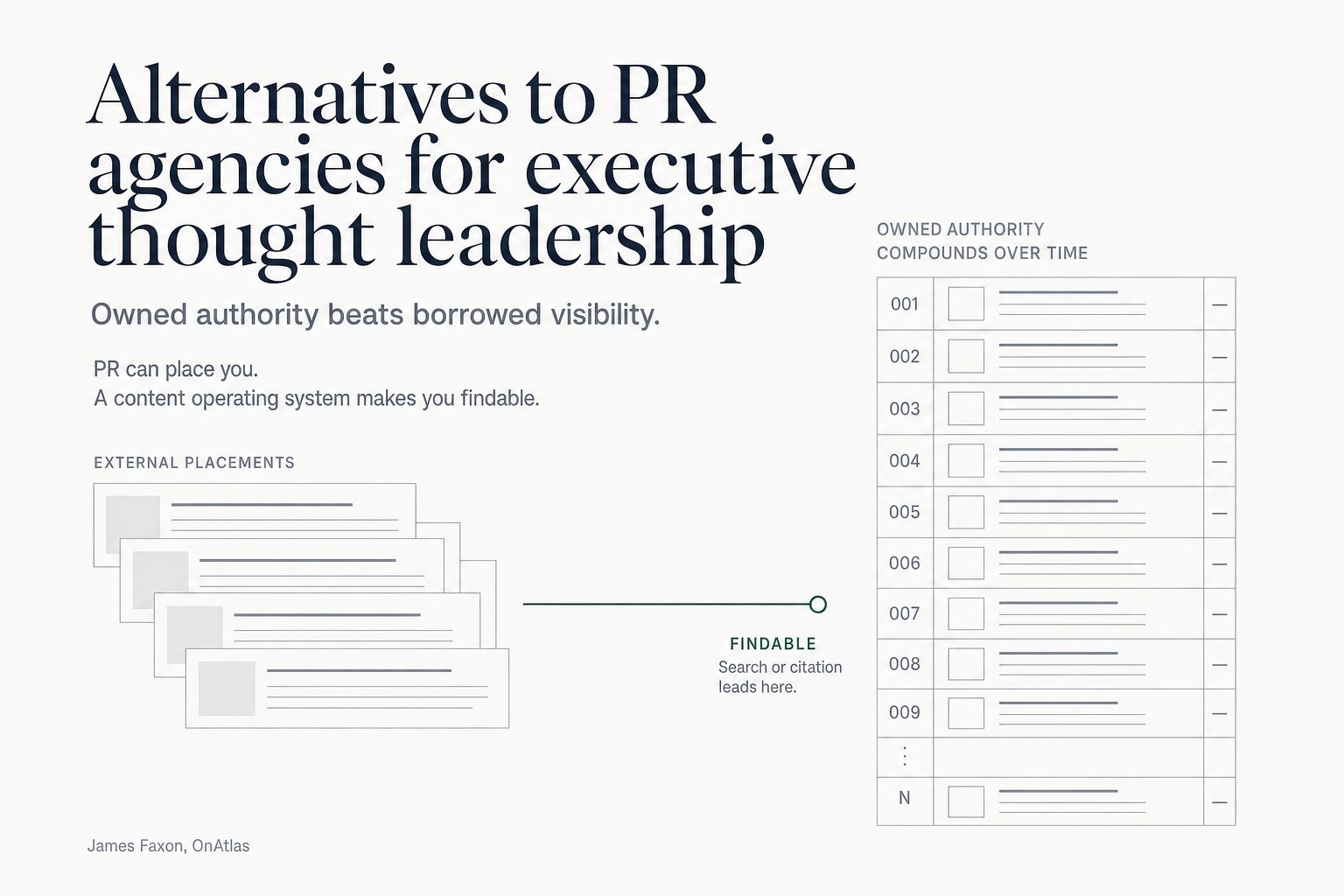
Alternatives to PR agencies for executive thought leadership strategy
· James Faxon · 6 min read · The Case Against PR Agencies for Executive Thought Leadership Key Insight: Most executives hire PR agencies expecting thought leadership...