The Real Strategic Layer Underneath Executive Content Nobody Wants to Talk About

A few days ago I wrote something critical of ghostwriting, and it kicked off a good debate in the comments. One exchange in particular stuck with me. A writer I disagreed with made a point I actually agree with: for the executives she works with, her strategic mind matters more than her sentences.
She's right. And it is exactly why I think most of the conversation about executive content, human versus AI, ghostwriter versus tool, is arguing about the wrong layer.
Writing was never the hard part. Anyone who has sat across from a smart executive for an hour knows the ideas are already there. What's actually hard is everything upstream of the sentence: knowing what's worth saying this week, tracking what's actually landing versus what's just noise, spotting the opportunity to weigh in before it passes, deciding what belongs in a three line post versus a longer piece. That is a strategic function, not a writing function, and it is where the real value has always lived.
The problem with the traditional model isn't the quality of the strategic thinking. Good ghostwriters have plenty of it. The problem is bandwidth. One person, however sharp, can only hold that strategic context for so many executives at once, which is why the model tends to compress into a monthly batch: a call, a few hours of drafting, a round of edits, done until next month.
That is a reasonable way to manage a roster of clients. It is not the same as having someone watching your space every day.
The executives I have built Atlas for are not sitting around waiting for the monthly call. They are in the middle of board discussions, regulatory shifts, M&A rumors, and industry crises that move faster than any calendar. The difference between a strategically timed response and a strategically irrelevant one is often 48 hours, not 30 days. If the person managing your visibility only checks in once a month, you are not being strategically positioned. You are being reactively documented.
That is the layer I built Atlas to cover. Not a tool that writes for you instead of a person writing for you. A system that does the part neither a once a month call nor a blank page can do on its own: watching what is moving in your industry, tracking where you are actually showing up versus where you think you are, surfacing the specific opportunities worth a post before the moment closes, and yes, helping you get the words down once you know what you want to say, in your own voice, from your own thinking, with you reviewing every word before anything goes out.
Drafting is the last five percent of that. It is also the part everyone argues about, because it is the part you can see. The intelligence underneath it is invisible until you are the one missing the moment.
I do not think ghostwriters are going away, and the good ones will keep proving their worth the way they always have. But I think the more interesting question for any executive right now is not who should write this for me. It is who, or what, is actually watching my visibility, all day, every day, so I am not finding out about the moment after it has passed.
That is the bet behind Atlas, and it is why we are opening the Founding 50, a small group of executives who will help shape the platform in its earliest, most opinionated stage. Applications close October 10th, public launch is November 11th. I built this for you.
More from James Faxon
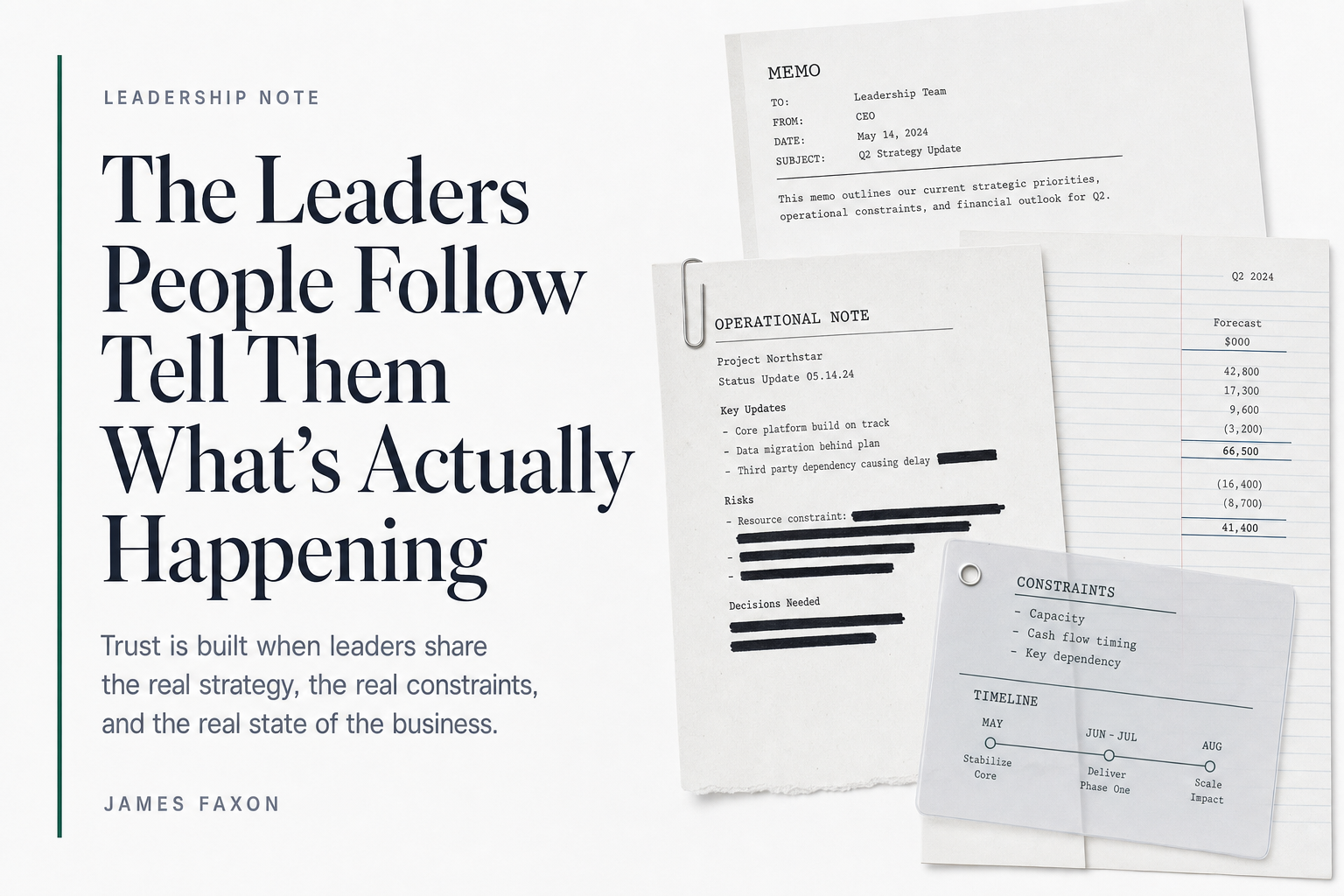
Leadership in the Post-Loyalty Corporate Era
· James Faxon · 6 min read · The Leaders People Follow Tell Them What's Actually Happening Key Insight: Most leaders respond to eroding corporate loyalty by...
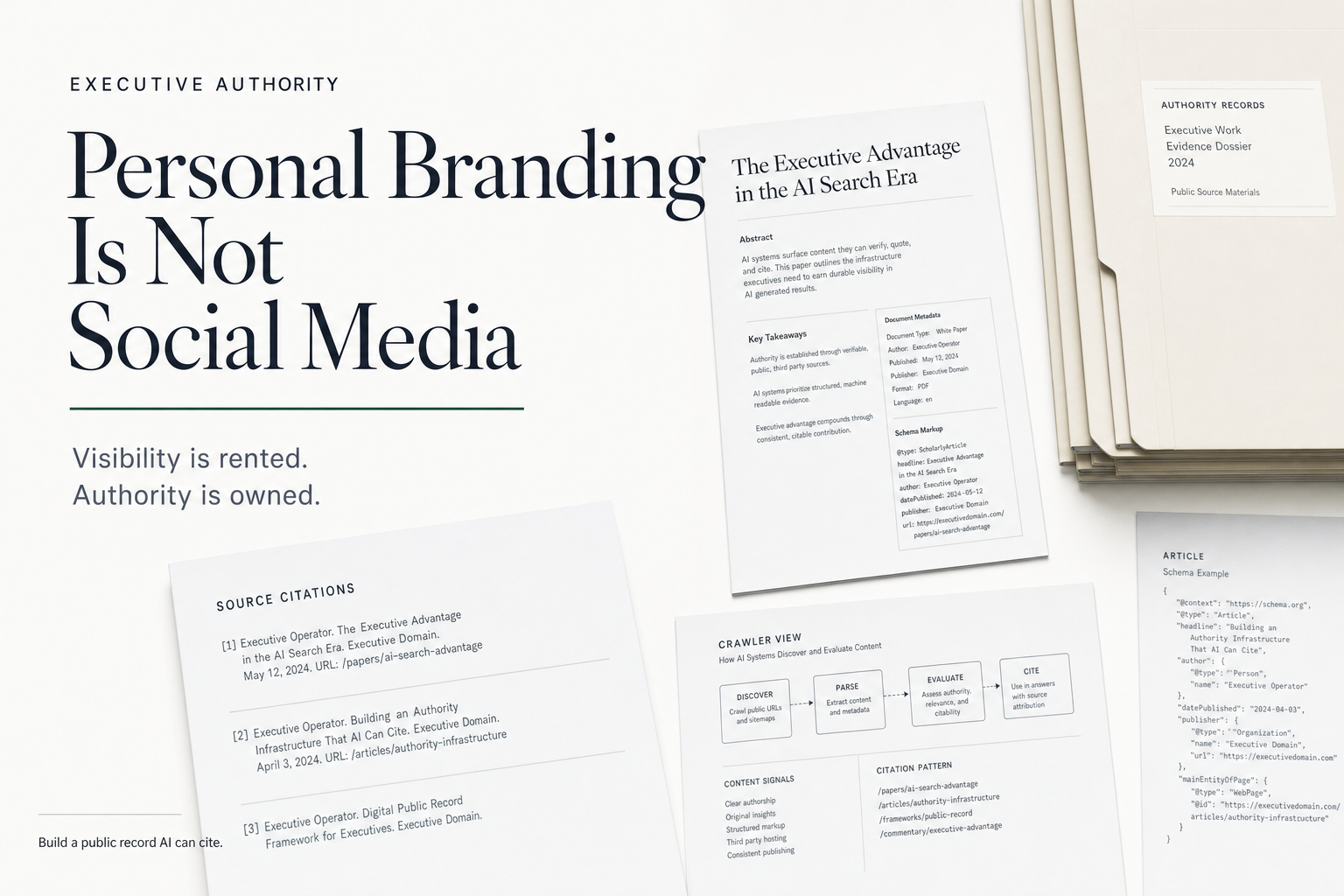
Executive Personal Branding Is Not Social Media
· James Faxon · 5 min read · I spent over 20 years running enterprise security and IT programs where credibility was the only currency that mattered. You earned trust...
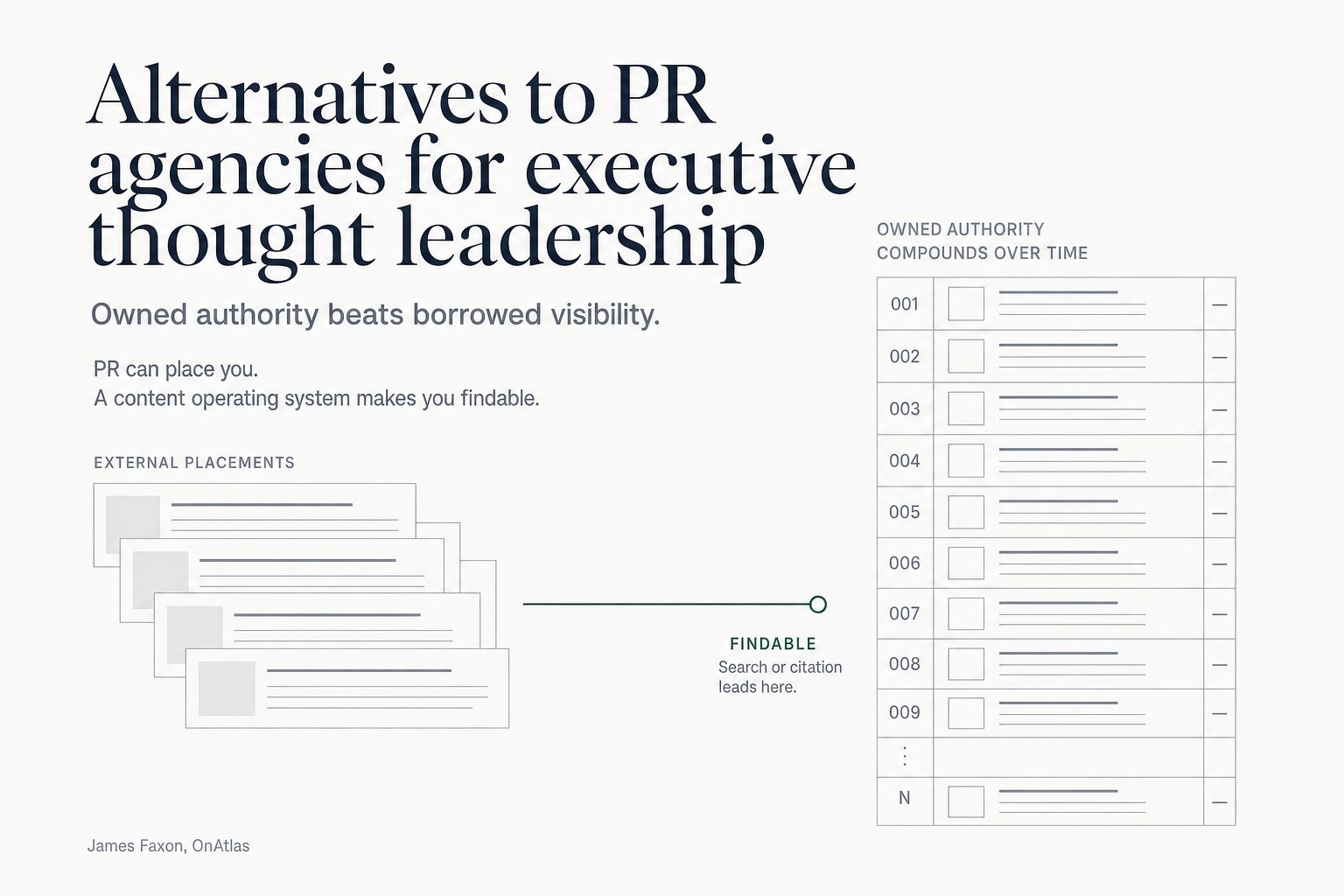
Alternatives to PR agencies for executive thought leadership strategy
· James Faxon · 6 min read · The Case Against PR Agencies for Executive Thought Leadership Key Insight: Most executives hire PR agencies expecting thought leadership...